Growth hacking vs. traditional marketing

Growth hacking vs. traditional marketing
Traditional marketing is tied directly to selling a company's products and services. Growth hacking takes a wider view: it sets out to understand the act of selling itself. The growth hacker is not only trying to sell, but looking for the most efficient way to grow a business. Here are the main differences between the two.

They have points in common, but they are far from the same thing. Some techniques are shared even where the goals differ. Growth hackers and marketers both work to understand customers, convert them and keep them — from different vantage points and by different routes. Each serves a different end inside an organisation.
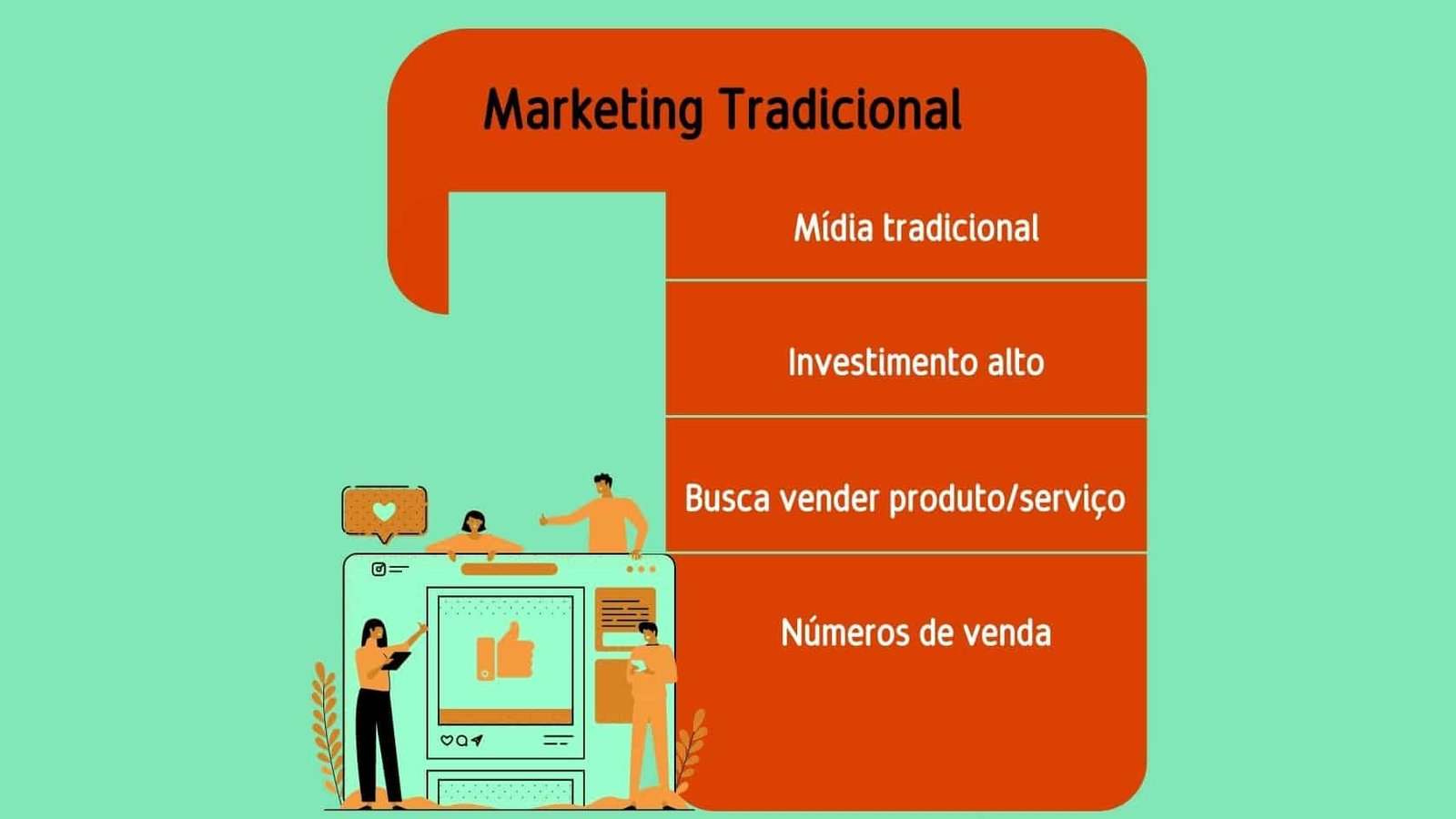
Traditional marketing
Traditional marketing is used to launching campaigns of high exposure and high cost: billboards, front-page advertisements, prime-time media. A great deal is spent, and often there is no means of measuring a campaign's return. So awareness and recognition become the point. The wider the recognition, the greater the success.
It also tends to rest on theories, books and ways of working that are tried and proven — though not necessarily matched to the size of the business or to what it is trying to do.
Marketers are usually handed a product by a development team and then asked to build a market for it, working mostly at one end of the funnel. The goals become brand recognition and activation across the product's life, with little responsibility for whether customers stay. The channels are more traditional too: television and radio remain popular with marketers at large companies. They cost more, the data is hard to follow, and the business waits to see whether the effort produced anything.
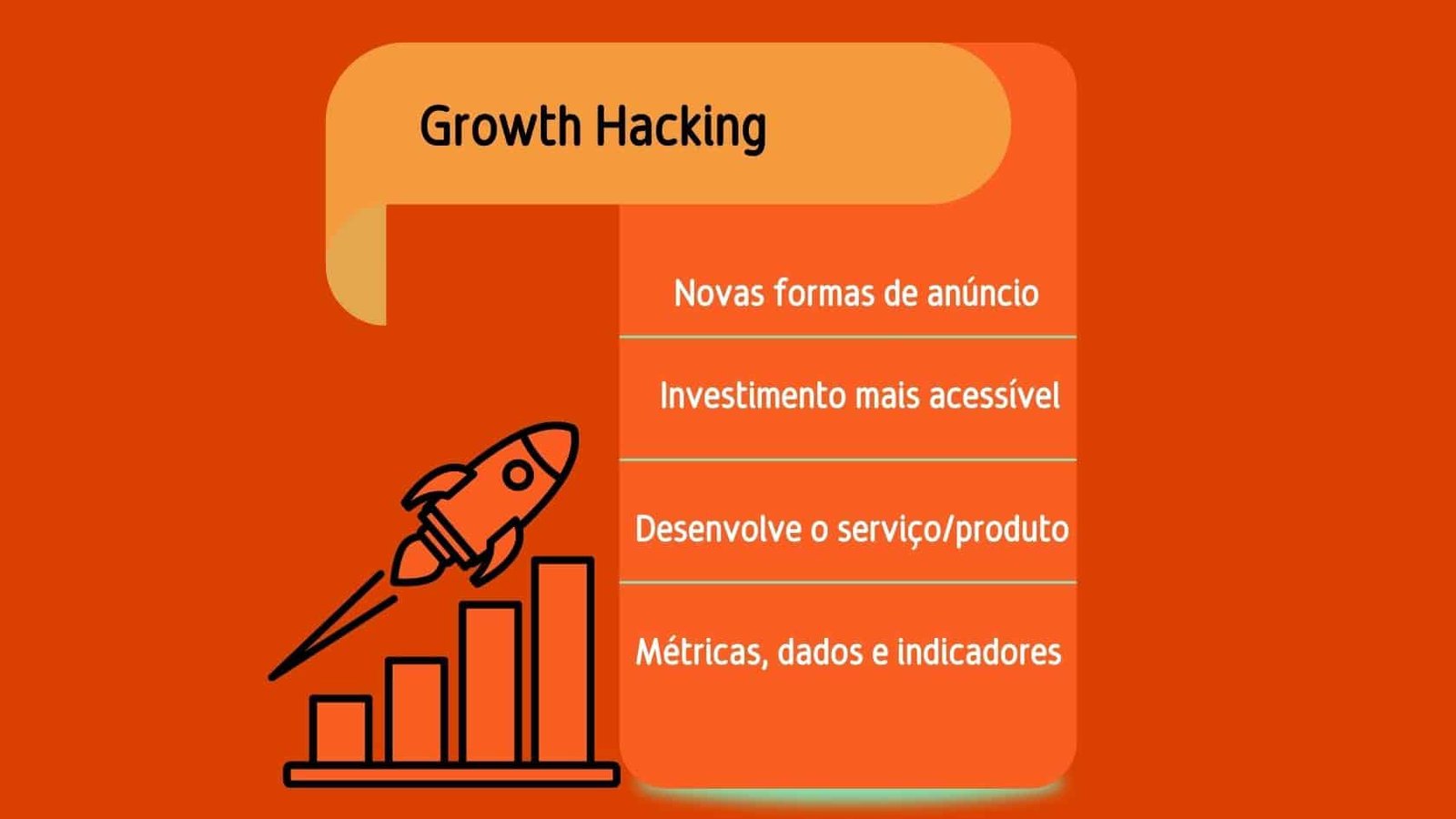
Growth Hacking
Growth hackers are always after small, unconventional shortcuts with high potential and low cost. Technology gives a clearer view of what actually drives conversions, and therefore where time, energy and money belong. Growth hackers care about what works, and will keep testing until they find out what that is. In the end it hardly matters how many people have heard of your business. What matters is that the right people have — the ones most likely to become loyal customers. The approach rests on data, so EVERYTHING has to be measured, calculated and traceable.
To get all that data they tend to be involved in building the product itself, with an eye on usability, on collecting data and on other ways of listening to the market — so the product ends up shaped the way customers actually want it. They work across the whole funnel to find the product's place in the market and use that as the ground for growth.
The other preoccupation is the customer's journey and their lifetime value — how much revenue they represent over a given period. That calls for a sales funnel tuned to feed itself. Growth hackers also like the less-used channels, where there is more room for invention and where products can be shown without necessarily spending. Having tested what works and what does not, the money then goes to the channel with the best return for its cost.

The main differences between the two
Growth hacking was born in the earliest days of companies under heavy pressure. Startups generally have small marketing budgets and depend on growth to survive, and that pushed many of them towards newer approaches, using technology to find ways of growing without spending much. At some companies it was the developers who found the inventive, economical methods — not necessarily the marketers innovating in their own natural habitat.
Marketers, by contrast, are trying to sell a product already made and finished. Most of them today have at least some online marketing skill. The growth hacker has a particular set: analysing data online, programming, automation, A/B testing, building custom landing pages, behavioural tracking and analytics reporting. That lets them shape the product around what customers are asking for.
What Manáry brings to your growth
So a marketer is someone whose aim is to sell particular goods and services to a target group. A growth hacker is someone whose real aim is growth, who knows the tools available and how to use them.
Marketers frequently come up short on measurement, and so cannot say whether a campaign was worth the time and money. Without that detail, it is hard to know with any certainty why something succeeded or failed.
At Manáry Digital we work with both growth hacking and traditional marketing, brought into the digital world. That lets us serve a large, established company and a startup with equal effect, and to push results further for businesses that need wider reach, brand building and heavier campaigns.
Nor does it stop there. We also help sole traders and small and mid-sized businesses grow quickly, particularly when what they need is a new idea, concept or business model. Growth hacking, the method we specialise in, lets you aim at results you cannot yet see, with the budget working as hard as it can.
Curious?
Want this running for your brand?
We look at your profile and your website and come back with a diagnosis of what would make a difference first — not a sales deck.
Content, identity and campaigns in one team
Editorial line, production, publishing and replies to comments — with one person who knows your brand and answers the same day.
See what we do
[…] Manáry Digital team can help you a great deal here. Thanks to our Growth Hacking method, we care about which strategies actually work, and we test until we find them. We focus on […]
[…] team, your sales can scale considerably. With paid and organic methods, our team specialised in Growth Hacking will change your digital […]
[…] If you want to read more on the difference between growth hacking and traditional marketing, click here. […]